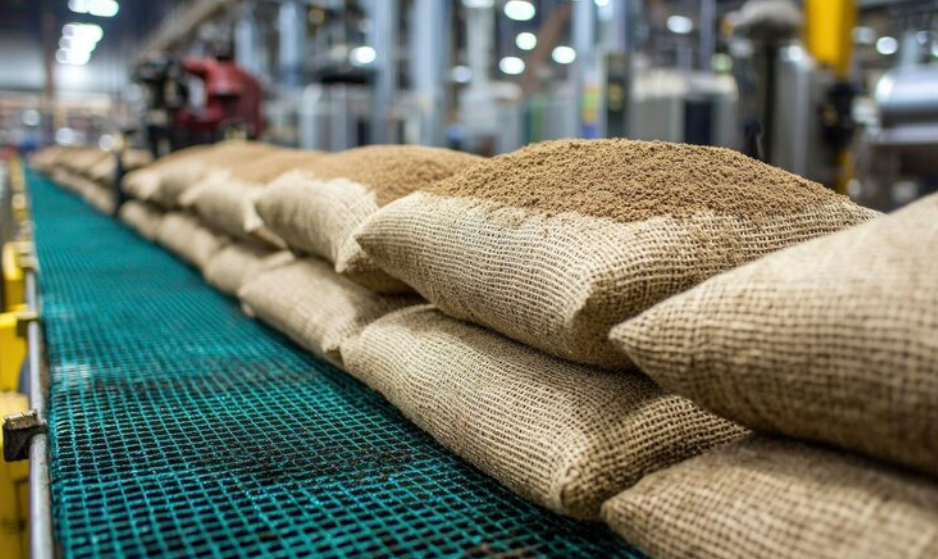

Choosing the right bulk material handling equipment is an important decision for any business that deals with large quantities of raw materials such as grains, coal, cement, chemicals, or aggregates. The right equipment can improve productivity, reduce labor costs, and ensure safe and smooth operations. On the other hand, the wrong choice can lead to delays, higher maintenance costs, and inefficiency. This guide explains simple factors to consider when selecting the best solution for your business needs.
Understand Your Material Handling Needs
The first step in selecting bulk material handling equipment is to clearly understand your operational requirements. Every business handles different types of materials, and each material behaves differently. Some are fine and powdery, while others are heavy or abrasive. You must consider factors such as material weight, flow characteristics, moisture content, and storage conditions. It is also important to evaluate how much material you need to move daily. When you understand these needs clearly, it becomes easier to choose equipment that matches your workload and improves overall efficiency.
Consider Equipment Types and Applications
There are many types of bulk material handling equipment, and each serves a different purpose. Conveyors are commonly used for continuous movement of materials, while loaders and unloaders help in transferring bulk goods between trucks, ships, or storage areas. Elevators and feeders are also widely used in industrial setups. The right choice depends on how and where you plan to move the material. You should match the equipment type with your production process so that the flow of materials remains smooth and uninterrupted throughout operations.
Focus on Efficiency, Safety, and Capacity
Efficiency and safety should always be top priorities when selecting bulk material handling equipment. Equipment that operates smoothly with minimal energy consumption can significantly reduce operational costs. At the same time, safety features such as emergency stops, dust control systems, and overload protection are essential to prevent accidents. Capacity is another key factor. The equipment must be able to handle your required load without frequent breakdowns or slowdowns. Choosing well-designed machinery helps maintain a steady workflow while protecting both workers and materials.
Evaluate Cost, Maintenance, and Long-Term Value
While budget is always an important consideration, it should not be the only deciding factor. High-quality bulk material handling equipment may require a higher initial investment, but it often offers better durability and lower maintenance costs over time. It is also important to check the availability of spare parts and technical support. Equipment that is easy to maintain will reduce downtime and improve productivity. Thinking about long-term value instead of just upfront cost will help you make a smarter and more sustainable investment.
Conclusion
Selecting the right bulk material handling equipment requires careful planning and a clear understanding of your business needs. By considering material type, equipment function, efficiency, safety, and long-term costs, you can choose a solution that improves productivity and supports smooth operations. A well-informed decision not only enhances performance but also ensures your business runs more safely and efficiently in the long run.