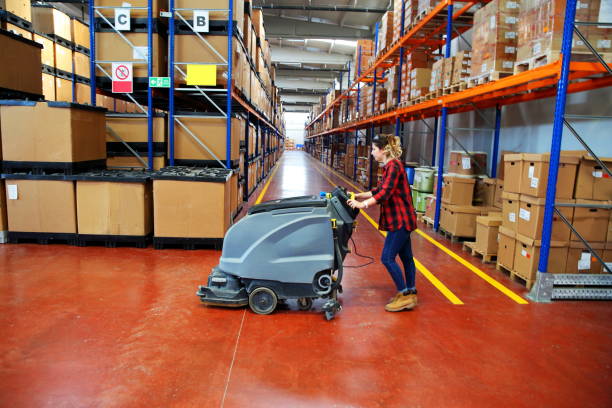

I used to assume warehouses just naturally looked messy. Big space, heavy machines, constant movement — obviously it’s gonna be dusty, right? But after talking to a few operations people (and honestly seeing one facility that looked like it hadn’t been cleaned since 2012), I realized something pretty simple: mess slows everything down. That’s why companies invest in Industrial Warehouse Cleaning Services. Not because they want shiny floors for Instagram photos, but because efficiency actually depends on it more than most managers admit.
Warehouses collect dirt in a sneaky way. Offices get visibly dirty fast — coffee cups, crumbs, fingerprints everywhere. Industrial spaces are different. Dust settles slowly on racks, grease builds around equipment, packaging scraps hide under pallets. Nobody notices day by day. Then suddenly forklifts move slower, workers take longer routes, and equipment starts acting… tired. Kind of like when your laptop gets slower but you keep opening new tabs anyway pretending nothing’s wrong.
Small problems stacking into big operational delays
One thing people don’t talk about enough is friction. Not the emotional kind — actual physical friction. Dirty floors increase resistance for machinery wheels. Debris forces workers to adjust movement patterns. Even tiny obstacles repeated hundreds of times daily eat into productivity.
I once helped a friend reorganize his storage facility. Nothing fancy, just clearing buildup and deep cleaning areas that hadn’t been touched in months. Within a week he casually mentioned orders were going out faster. No new hires, no new software. Just less chaos. It sounds almost too simple, which is maybe why companies overlook it.
There’s also this weird mindset online where efficiency always equals automation. Scroll through LinkedIn and you’ll see posts about robotics and AI logistics every five minutes. Meanwhile, basic environmental maintenance barely gets mentioned. But honestly, even advanced systems struggle in dirty environments. Technology doesn’t magically ignore dust and grime.
Safety issues usually start small
Most warehouse accidents aren’t dramatic movie-style events. They come from ordinary things piling up. A slippery patch here, blocked walkway there, poor visibility because lighting fixtures are coated in dust. Workers adapt without realizing it, which is honestly the scary part.
I remember walking through a facility where the floor looked normal but felt slightly slick. Everyone working there had adjusted their walking style subconsciously. That’s when you know something’s wrong — when unsafe conditions feel normal.
Clean environments reduce these risks before they become reports or injuries. And beyond human safety, companies also deal with compliance inspections. A poorly maintained space sends the wrong signal instantly. Inspectors notice things fast, even stuff employees stopped seeing months ago.
People actually work differently in clean spaces
This part sounds soft, but it’s real. Workers behave differently when the workplace feels maintained. It’s similar to how you’re more careful in a clean hotel room than in your own messy bedroom. Environment shapes behavior.
After a proper cleaning cycle, teams often start maintaining order themselves. Not perfectly, obviously — warehouses are busy places — but there’s a noticeable shift. Morale improves without anyone announcing a motivational speech.
I’ve seen discussions on Reddit where warehouse employees literally said clean facilities made shifts feel shorter. Same workload, same hours, just less mental fatigue. Maybe it’s psychological, maybe practical, probably both.
Machines hate dirt more than humans do
Equipment problems often get blamed on usage or age, but dirt plays a bigger role than people think. Dust blocks ventilation systems, grime builds heat, and debris interferes with moving parts. Maintenance teams end up fixing issues that cleaning could’ve prevented.
A technician once compared neglected cleaning to skipping dental hygiene. You don’t notice damage immediately, but eventually everything becomes expensive and painful. Pretty accurate analogy honestly.
Regular cleaning reduces wear, improves airflow around machinery, and keeps sensors functioning properly. In automated warehouses especially, even small obstructions can trigger system slowdowns. And downtime isn’t just annoying — it’s expensive enough to ruin weekly targets.
Customers never see the warehouse… but they feel it
Here’s the interesting part. Customers rarely visit industrial facilities, yet cleanliness still affects their experience. Dirty environments increase packaging damage, delays, and product contamination risks. When deliveries arrive late or products look poorly handled, customers blame logistics quality.
Social media makes this worse. One viral post about damaged packaging can snowball into brand criticism fast. People online don’t analyze supply chains; they judge outcomes.
That’s one reason businesses quietly rely on Industrial Warehouse Cleaning Services — smoother operations behind the scenes create better customer experiences without customers ever knowing why things went right.
Efficiency sometimes comes from boring solutions
Honestly, cleaning isn’t exciting. Nobody writes viral posts about spotless warehouse floors. But operations improve when obstacles disappear. Workers move faster without realizing it, machines operate consistently, and managers spend less time solving preventable problems.
It reminds me of drinking enough water. Not flashy, not innovative, but everything functions better when you do it consistently. Skip it for long enough and suddenly nothing feels right.
And maybe that’s why cleaning gets underestimated. It doesn’t look strategic from the outside. Yet efficient warehouses almost always share one trait — they’re maintained regularly, not just when things start going wrong.