
Key Takeaways
- Petaluma Self Storage offers local storage options for household, seasonal, moving, and business-related belongings.
- The facility lists month-to-month leases with a one-month minimum, which can be useful when timelines change.
- Its stated security measures include controlled gate access, individual access codes, recorded access history, cameras, inspections, and on-site resident management.
- Choosing the right unit starts with an honest inventory of what you need to store and how often you will need to retrieve it.
- Current availability, rates, rental requirements, and policies should always be confirmed directly with the facility.
Why Petaluma Self Storage Is a Practical Answer When You Need More Space
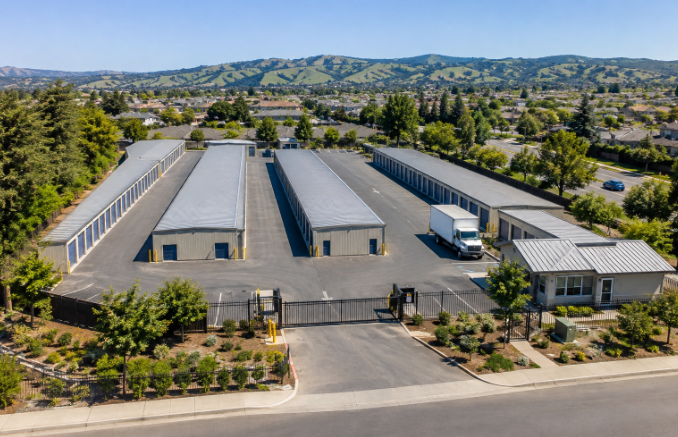
Moves, remodels, growing families, changing workspaces, and overflowing garages can all create an immediate need for more room. For people comparing options for storage Petaluma, Petaluma Self Storage provides a local place to keep belongings separate from daily living or working areas while remaining accessible when needed. Located at 29 Case Grande Road in Petaluma, Petaluma Self Storage serves customers who need space for personal possessions, furniture, boxes, seasonal items, and business materials. Rather than trying to force everything into a spare bedroom, vehicle, garage, or crowded office, a dedicated unit can help create a more organized plan for a temporary transition or ongoing storage needs.
Common Reasons People Request Storage in Petaluma
Storage needs are rarely identical, but they often begin with a practical problem: there is not enough usable space where the items are currently kept. A unit may be helpful for a short project, a major move, or simply a better long-term organization system.
- Moving between homes or apartments: A storage unit can hold belongings while move-in and move-out dates do not align.
- Renovating a home: Furniture and boxed possessions can be moved out of active work areas while improvements are underway.
- Managing seasonal items: Decorations, sports equipment, and other periodically used belongings do not have to occupy everyday living space all year.
- Supporting a business: Inventory, supplies, records, and display materials may need a separate location from the main workplace.
- Handling a life transition: Temporary housing changes, downsizing, or estate planning can require additional space while decisions are being made.
Security Features to Consider Before Renting
Security is an important part of selecting a facility, but it is best evaluated as a combination of procedures and physical features rather than a single promise. Petaluma Self Storage states that it uses computer-controlled gate access, individual seven-digit access codes, recorded access history, surveillance cameras, regular inspection rounds, and resident managers who live on-site. These layers can help create a more controlled storage environment. The broader self-storage industry commonly relies on measures such as gated entry, individual locks, camera systems, and on-site or remote oversight. Even so, customers should use a quality lock, understand their insurance options, review the rental agreement, and avoid storing prohibited or irreplaceable items without appropriate planning.
Why Flexible Month-to-Month Terms Matter
Storage timelines can change quickly. A renovation may take longer than expected, a home sale may close early, or temporary housing may become permanent. Petaluma Self Storage states that its leases are month-to-month with a one-month minimum. It also lists prepayment options and notes that eligible full prepaid months may be refunded if a customer moves out early, whereas partial months are nonrefundable. This type of arrangement may be a better fit than a long commitment for customers who do not yet know exactly how long they will need storage. Before signing, ask for the current rental terms, payment policies, move-out procedures, and any insurance or coverage requirements.
How to Choose the Right Storage Unit
The right unit is not always the largest available option. It should provide enough room for the items you plan to store while allowing reasonable access to belongings you may need before move-out day. Start with a written inventory, especially if you are storing the contents of a room, apartment, garage, or office.
A Simple Unit-Planning Checklist
- List every large item, including furniture, appliances, shelving, or equipment.
- Estimate the number of boxes, bins, and smaller belongings you expect to store.
- Measure unusually large pieces before visiting or calling about a unit.
- Separate frequently needed items from things that can remain packed for months.
- Ask about available unit sizes, door widths, current pricing, and access procedures.
- Plan an aisle if you may need to reach items placed toward the back of the unit.
Dedicated Storage Compared With Improvised Space
Using a garage, spare room, basement, or office corner can seem convenient at first, but those areas often become harder to use when they are filled with boxes and furniture. A dedicated storage unit keeps stored possessions apart from the spaces used for living, working, parking, or hosting guests.
- Apartment overflow: Keep furniture and boxes out of limited living areas.
- Home renovation: Remove belongings from rooms that need clearing before work begins.
- Seasonal storage: Pack, label, and retrieve periodic items without rearranging the entire garage.
- Business materials: Separate supplies or inventory from the daily workspace.
Petaluma Self Storage states that its units use metal roll-up doors, with container doors as an exception, and that units are constructed of concrete and metal, or all metal, depending on the unit. These practical details are worth discussing when comparing the available options for the type of belongings you plan to store.
How Local Management Can Improve the Experience
For many customers, having a local point of contact matters as much as having a place to put boxes. Petaluma Self Storage identifies resident management as part of its operation and notes that its manager has more than 12 years of experience. On-site staff can help explain access procedures, available sizes, lease terms, and practical questions that arise before moving items in. The facility lists gate access seven days a week from 7:00 a.m. to 7:00 p.m. Office hours may differ, and the facility notes that the office and site are closed on major holidays. Confirm the current schedule before planning a move-in visit, especially if you need assistance from the office.
Questions to Ask Before Requesting a Unit
- Which unit sizes are currently available?
- What are the current monthly rates and required move-in costs?
- What are the gate access hours and office hours?
- Which items are prohibited under the rental agreement?
- Do I need insurance or proof of coverage?
- How wide is the door for the unit I am considering?
- Will I need regular access to stored belongings?
- What identification and payment information are required to rent?
Frequently Asked Questions
Does Petaluma Self Storage offer month-to-month rentals?
Yes. The facility states that leases are month-to-month with a one-month minimum. Confirm all current terms, payments, and refund policies before renting.
What can be stored in a unit?
People commonly use storage units for household goods, furniture, boxed belongings, seasonal equipment, business supplies, and moving-related items. Ask the facility about prohibited items before placing anything in a unit.
How can I find the right size?
Make an inventory, measure large items, estimate box counts, and consider how often you will need access. Staff can explain the available unit sizes and help you compare options.
Conclusion
When space becomes a problem, a well-planned storage solution can make a move, a renovation, a business project, or a household transition easier to manage. Petaluma Self Storage offers flexible rental terms, controlled-access features, local management, and a range of considerations to review before you rent. Before choosing a unit, consider how much space you actually need, how often you will need access, and whether the facility’s location and access hours fit your routine. It can also help to ask about security features, payment requirements, moving supplies, insurance options, and any rules that may affect what you can store. Contact the facility directly to discuss current availability, unit size, pricing, access needs, and rental requirements for your situation. Taking a little time to compare these details can help you choose a storage arrangement that fits your needs without paying for more space or services than necessary.