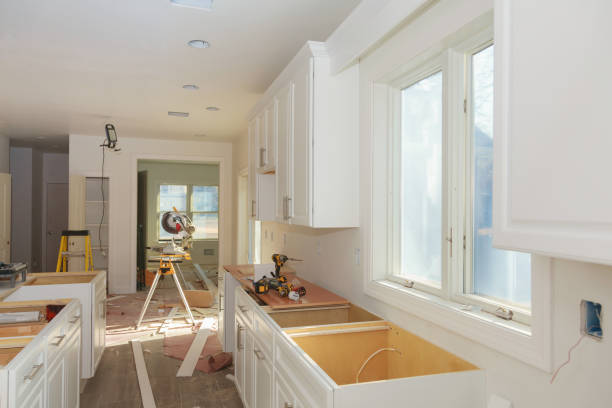
I’ll be honest, the first thing most people do when a building starts looking tired is open Google and type commercial painting contractors near me and hope the top result magically solves everything. I’ve done the same thing before helping a friend fix up his small office space, and yeah… turns out picking painters isn’t as simple as choosing whoever shows up first with a ladder and a logo on their van. A fresh coat of paint sounds small, but for a business it’s kinda like dressing well for an interview. People notice instantly, even if they don’t realize why.
Why commercial painting feels different from regular house painting
A lot of people assume painting is painting. Rollers, brushes, some music playing in the background, done. But commercial jobs are a whole different beast. Offices, warehouses, retail shops — they deal with foot traffic, weather exposure, branding colors, safety rules, and deadlines that actually matter because businesses can’t just pause life for a week.
I once saw a café shut down for repainting longer than planned, and customers literally started posting on Instagram asking if the place closed permanently. That’s how sensitive business appearance is. Commercial painters usually work faster, often overnight or during off-hours, and they use coatings that survive years of wear instead of just looking nice for a few months.
Funny thing is, many cheaper contractors skip surface prep because clients rarely see it happening. But prep work is like brushing your teeth before whitening them. Skip it and everything looks okay… until suddenly it doesn’t.
The price trap nobody talks about enough
Here’s where things get tricky. The lowest quote almost always feels attractive. I mean, saving money sounds smart, right? But painting costs work a lot like buying cheap shoes. You save today, then six months later you’re annoyed because everything’s peeling or fading and now you’re paying twice.
I read somewhere (don’t quote me exactly, but it stuck in my head) that repainting too early can increase long-term maintenance costs by almost 30%. Makes sense honestly. Good commercial coatings last longer because they resist moisture, UV rays, and constant cleaning. Cheap paint just… gives up early.
Also, labor matters more than paint itself. People online argue about brands all the time — Reddit threads get weirdly passionate about paint brands — but experienced painters will tell you application matters more than the label on the bucket.
Online reviews are helpful… but also kinda chaotic
If you scroll reviews long enough, you’ll notice something funny. Every company has at least one angry review written at 2 AM. Some complaints are legit, others sound like someone expected miracles overnight.
The trick I learned is looking for patterns instead of perfection. If multiple people mention punctuality or clean workspaces, that’s usually real. If one person complains about rain delays… well, nobody controls the weather.
Social media chatter actually helps too. Local Facebook groups and neighborhood forums often reveal which contractors actually show up when promised. People love sharing bad experiences online, so silence sometimes means reliability.
Communication matters more than skill (yeah, really)
This surprised me the most. A contractor can be incredibly skilled but still create stress if communication is bad. Businesses need timelines, updates, and clarity. Imagine running a store while workers randomly appear or disappear without explanation. That chaos spreads fast.
A good contractor explains drying times, odor control, and scheduling before starting. Especially in commercial spaces where employees or customers might still be around. Some paints today are low-VOC, meaning less smell, which honestly feels like a lifesaver compared to older paints that could knock you out walking into the room.
I remember helping coordinate a repaint for a coworking office once. The painters who won the job weren’t even the cheapest or fastest — they were just the only ones who explained the process clearly. Everyone trusted them more. Simple as that.
Small details that secretly show professionalism
You can actually spot quality contractors before they even start painting. They talk about surface repairs, primer choices, and protection for floors and furniture. They measure carefully instead of guessing. And they ask questions about how the space is used.
One painter told me different areas of a commercial building need different finishes. Matte hides imperfections but stains easily. Semi-gloss cleans better but shows flaws. I had never thought about paint like that before. It’s almost like choosing tires for different roads — same car, different performance.
Another underrated sign is insurance and licensing. Not exciting, I know, but commercial spaces mean liability risks. A legit contractor won’t hesitate to show paperwork because they expect clients to ask.
Timing can make or break the whole project
Most businesses underestimate scheduling. Painting during peak hours can annoy customers, but waiting too long can hurt branding. I’ve seen retail stores repaint right before busy seasons and instantly look more premium. Fresh walls somehow make products look newer too — probably psychology at play.
There’s even marketing research suggesting customers associate clean environments with better service quality. Sounds obvious, but businesses forget visual impressions are basically silent advertising.
And honestly, people judge fast. Walk into a faded office lobby and you already feel unsure about the company, even if their service is great. Humans are weird like that.
So what actually matters at the end of the day
After going through a few projects and hearing way too many contractor stories, I realized choosing painters is less about paint and more about trust. You want someone who understands business downtime costs money, who respects schedules, and who treats the building like an investment instead of just another job.
If you’re still scrolling and comparing options, going back to a reliable search like commercial painting contractors near me can help narrow things down, but don’t stop at the first result. Talk to them. Ask weird questions. Notice how they respond. Good professionals don’t rush conversations because they know informed clients are usually happier clients.
At the end of the day, paint is temporary but impressions stick longer than people admit. And yeah, it sounds dramatic for something as simple as walls, but when customers walk into a space that feels fresh and cared for, it quietly tells them the business probably cares about everything else too. That’s kinda the real value hiding behind a bucket of paint.