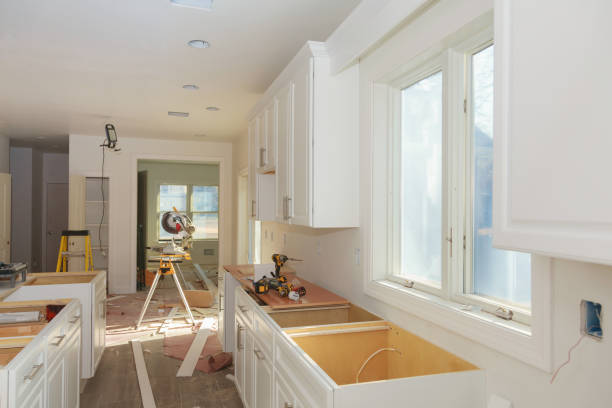

I never really cared much about design stuff earlier, honestly. For me, a house was just… a place to sleep, eat, scroll phone, repeat. But once I started noticing how badly arranged spaces mess with daily life, I understood why people talk so much about home interior remodeling. It’s not always about luxury or showing off to guests. Sometimes it’s just about finally feeling relaxed inside your own home instead of constantly adjusting yourself to the space.
Living In a House That Actually Makes Sense
You know that feeling when you keep bumping into the same table corner every day? Or when your kitchen somehow feels crowded even when only two people are inside? That’s usually not a small problem. That’s layout working against you. Most homes are designed for general use, not for your real lifestyle.
One of my friends remodeled their living area last year. No expensive materials, nothing dramatic. They just opened up the space slightly and changed storage placement. Weirdly, everyone started spending more time in that room. Earlier people would sit in separate corners scrolling phones. After remodeling, conversations just happened naturally. Space kind of controls behavior more than we admit.
Comfort Is Like Fixing a Leaky Wallet
Financially speaking, remodeling feels scary at first. Big expense, lots of decisions, small panic attacks looking at quotes. But think about it like repairing a leaking water tank. You spend money once to stop constant waste later.
Bad interiors create hidden costs. Extra lighting because rooms feel dark. Buying organizers because storage wasn’t planned well. Higher electricity bills due to poor insulation. These things quietly eat money month after month. Fixing structure and design reduces those ongoing expenses, even if people don’t notice immediately.
I saw someone online compare remodeling to meal prepping — more effort upfront but life becomes easier every single day after. Honestly, that analogy stayed in my head.
Style Isn’t What Instagram Says It Is
Social media kind of ruined expectations around home design. Everything looks perfect online. Neutral colors, aesthetic coffee tables, zero clutter. Real homes are messy. Kids exist. Work laptops exist. Laundry definitely exists.
Good remodeling focuses on how you live, not how photos look. A neighbor added charging stations near seating areas because everyone fights over plug points. Another family redesigned their entry space just to stop shoe chaos. These aren’t glamorous upgrades but they improve daily mood in a big way.
Funny thing is, once functionality improves, style follows automatically. Rooms start looking cleaner because things finally have a place.
Tiny Changes, Big Mental Difference
There’s actually psychology behind interiors, though people rarely talk about it casually. Lighting alone changes how your brain reacts to a space. Bright white lights can feel stressful after sunset, while warmer lighting makes evenings calmer. I didn’t believe this until I changed bulbs in my own room and suddenly late-night work felt less exhausting.
Natural light also affects productivity. Some studies floating around online say people working near windows feel more focused. Makes sense honestly — nobody enjoys feeling trapped in a dim box all day.
Even ceiling tricks matter. Taller curtains or vertical designs make rooms feel bigger without increasing actual size. Designers use these illusions all the time, like visual budgeting but for space.
Why People Prefer Remodeling Instead of Moving Now
If you scroll through homeowner discussions or even random Reddit threads, you’ll notice a pattern. Many people don’t want to move anymore. Moving sounds exciting until packing starts and costs pile up.
Remodeling lets people upgrade without leaving memories behind. Same neighborhood, same routines, just a better environment. It’s like upgrading your old phone battery instead of buying a completely new phone. Familiar but smoother.
Also, remote work changed priorities. People now notice their homes more because they actually spend time there. A bad layout that was tolerable earlier suddenly becomes annoying when you’re home all day.
The Unexpected Confidence Thing
This part surprised me personally. A well-designed home changes how people behave socially. When spaces feel comfortable, people invite friends over more often. Hosting stops feeling stressful.
One family I know avoided gatherings for years because their home felt cramped. After remodeling, they started weekend dinners again. Nothing luxury-level happened — just smarter space usage. But emotionally, it changed everything.
And yeah, there’s property value increase too, but honestly the daily comfort feels more important than resale numbers most of the time.
Where Comfort and Style Finally Meet
By the end, most homeowners realize remodeling isn’t about perfection. It’s about removing daily friction. Doors that open properly, lighting that doesn’t hurt your eyes, storage that actually works.
That’s why many eventually explore home interior remodeling as a lifestyle upgrade rather than a design project. You’re basically redesigning how your everyday life flows.
A good home doesn’t need to impress strangers. It just needs to make mornings less rushed, evenings more peaceful, and weekends feel like actual rest instead of recovery from chaos. And honestly, once you experience that kind of comfort, you start wondering why you didn’t do it earlier.