
Walk into any working factory and you’ll notice it within seconds — the hum of machines, the smell of oil or raw materials, and somewhere underneath it all, a fine layer of dust settling on every surface it can find. Most plant managers accept this as part of the territory. What fewer of them realise is how much that “normal” grime is quietly working against them, one shift at a time.
Industrial cleaning isn’t just about appearances. It touches almost every part of how a facility runs, from the number of sick days staff take to how long a piece of equipment lasts before it needs replacing. Yet cleaning is often the first line item trimmed when budgets tighten, treated as a nice-to-have rather than a core part of operations.
The Hidden Cost of “Good Enough” Cleaning
A quick sweep at the end of a shift might look tidy, but it rarely touches the places where real damage builds up — behind machinery, inside ventilation ducts, along ceiling beams, and in the corners where oil, dust, and debris settle over weeks and months. This build-up isn’t just unsightly. It’s a genuine operational risk.
Dust and particulate matter can clog filters and vents, forcing HVAC systems and machinery to work harder than they should. Over time, this leads to higher energy bills and more frequent breakdowns. In facilities that handle food, chemicals, or pharmaceuticals, contamination risk climbs sharply when cleaning schedules slip, which can mean failed audits or, worse, product recalls.
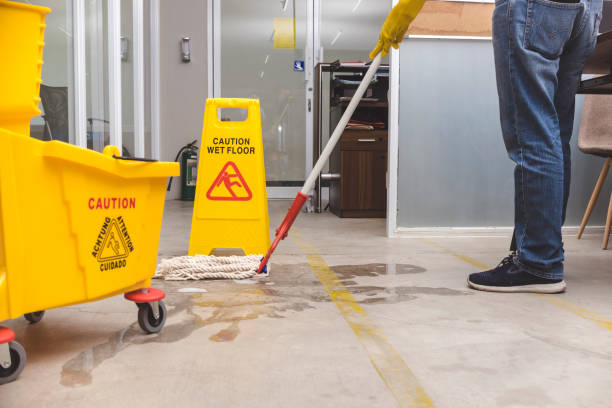
There’s also the human side of things. Workers spending eight or more hours a day in a dusty, poorly maintained environment are more likely to develop respiratory issues over time. Slippery floors from oil spills or accumulated residue are a leading cause of workplace injuries in industrial settings. None of this is dramatic on any single day — it’s the slow accumulation that eventually catches up with a business.
Why a Scheduled Approach Beats Reactive Cleaning
Many facilities only bring in a serious clean-up when something forces their hand — an upcoming audit, a client site visit, or an incident that exposes just how far things have slipped. Reactive cleaning like this tends to cost more in the long run, both financially and in terms of downtime, because problems that could have been caught early are instead left to compound.
A scheduled maintenance plan flips that pattern. Instead of scrambling before an inspection, a facility works through a rolling calendar that covers everything from daily touchpoints to quarterly deep cleans of high-risk zones. This kind of planning brings a few clear advantages:
- Equipment lasts longer because dust and residue aren’t allowed to build up around motors, belts, and moving parts.
- Compliance becomes far less stressful, since the facility is always closer to audit-ready rather than racing to catch up.
- Staff notice the difference too — a clean, well-kept workspace tends to correlate with better morale and fewer near-miss incidents.
- Costs become predictable, since planned cleaning is generally cheaper than emergency deep cleans or the downtime caused by equipment failure.
What a Proper Industrial Clean Actually Covers
It helps to understand what separates a genuine industrial clean from routine tidying. A proper service typically works through several layers of a facility rather than just the visible floor space.
High-level cleaning addresses ceilings, roof trusses, light fittings, and exposed ductwork — areas that accumulate dust but are rarely touched during everyday cleaning because they require specialised equipment and safe access methods. Machinery cleaning is equally important, since built-up residue around moving parts is one of the more common (and avoidable) causes of mechanical failure. Floors need attention beyond a simple mop-down too, particularly in areas exposed to oil, grease, or chemical spills, where the wrong cleaning approach can actually make surfaces more hazardous rather than less.
Warehouse and storage zones bring their own considerations, especially where pallets, racking, and stored goods create hard-to-reach pockets where dust and pests can take hold unnoticed. And in facilities that operate under WHS or industry-specific compliance requirements, cleaning records themselves become part of the paperwork — proof that hygiene and safety standards are being actively maintained, not just claimed.
Finding the Right Partner for the Job
Not every cleaning provider is set up to handle industrial-scale work. Office cleaning and factory cleaning are genuinely different disciplines — different equipment, different safety training, and a different understanding of how a working plant actually operates day to day.
For businesses in and around Western Sydney, Factory Cleaning Sydney services built specifically for industrial environments make a noticeable difference. Teams who specialise in this kind of work understand how to schedule around production hours, how to handle machinery safely, and how to meet the documentation standards that compliance-focused industries need. That local, hands-on familiarity with Sydney’s manufacturing and warehousing sector — knowing the common layouts, the typical compliance checks, and the seasonal dust and pollen challenges the city brings — tends to matter more than generic promises on a website.
When comparing providers, it’s worth asking a few direct questions: Do they have experience in your specific industry? Can they work around your production schedule without causing disruption? Do they provide documentation for compliance purposes? And do they have the right insurance and safety certifications for industrial sites? A provider that can answer all of these confidently is usually one that understands the stakes involved.
Building Cleaning Into the Culture, Not Just the Calendar
The most effective facilities don’t treat cleaning as a separate task bolted onto operations — they build it into the way the site runs. That means clear responsibilities for daily upkeep by staff, combined with scheduled professional deep cleans for the jobs that need specialised equipment and expertise. It means treating cleanliness as a safety metric worth tracking, not just an aesthetic one.
For a facility relying on trusted Factory Cleaning Sydney support, the result is straightforward: fewer breakdowns, smoother audits, healthier staff, and a plant that simply runs the way it’s meant to. In an industry where margins are often tight and downtime is expensive, that kind of consistency isn’t a luxury. It’s one of the more overlooked ways a business protects its bottom line.
Ultimately, the factories that stay ahead aren’t the ones that clean the hardest right before an inspection — they’re the ones that never let things slip far enough to need one.